What Is an Argon Dewar Tank and How Does It Work?
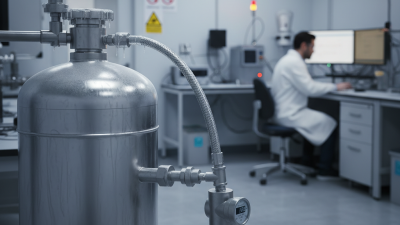
An argon dewar tank is a specialized vessel designed to store liquid argon at extremely low temperatures. Unlike an ordinary storage container, it uses vacuum insulation and reflective barriers to reduce heat transfer. Liquid argon remains near −186°C, so even a small design weakness can increase evaporation.
Cryogenic engineer Klaus D. Timmerhaus wrote, “Cryogenics is the science and technology of temperatures below 123 K.” This principle helps explain why an argon dewar tank needs careful engineering. Its inner vessel holds the liquid, while the outer jacket protects the vacuum space. Pressure gradually develops as absorbed heat turns liquid argon into gas. A venting system releases excess pressure and supports safer operation.
The working process is simple in concept. It is not simple in practice. Liquid argon enters through a controlled filling connection. The insulated inner container slows warming. Some argon still boils away, called normal evaporation loss. Operators must monitor pressure, liquid level, valves, and visible frost patterns.
A dewar should remain upright.
That detail matters.
This article will examine the tank’s structure, insulation, pressure behavior, filling procedure, and routine inspection needs. It will also clarify common misunderstandings, such as treating a dewar like a sealed bottle. That assumption is unsafe and technically incomplete. Real performance depends on tank size, vacuum condition, ambient temperature, and usage frequency. Even experienced users can overlook small warning signs. Careful procedures, manufacturer guidance, suitable ventilation, and trained handling remain essential.
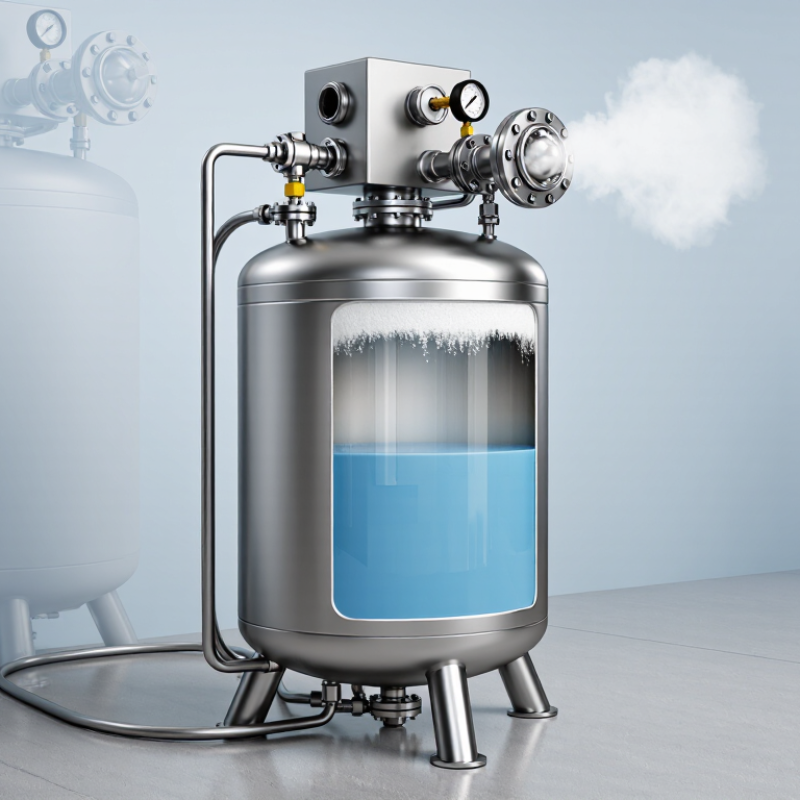
Argon Dewar Tanks: Definition and Primary Purpose
An argon Dewar tank is a specialized vessel for storing liquid argon at cryogenic temperatures. Argon remains liquid near -185.8°C under normal atmospheric pressure. The tank uses an inner container, an outer shell, and a vacuum-insulated space between them. This design slows heat transfer and reduces evaporation. It is not an ordinary gas cylinder.
Its primary purpose is controlled storage and delivery. Users may withdraw liquid argon for cryogenic work or allow it to vaporize into argon gas. The gas supports welding, laboratory procedures, metal processing, and other applications requiring an inert atmosphere. A pressure-control system and relief device help manage internal pressure. Blocking these safety features would be dangerous.
In practical use, the outer surface may feel cold, while frost can appear near valves or connections. That frost is not merely cosmetic. It may indicate moisture, leakage, or excessive cooling. Argon is colorless and odorless, so oxygen levels can fall without obvious warning. Good ventilation and trained handling are essential. Protective gloves, face protection, and careful valve operation reduce exposure risks. A simple definition misses one concern: even a well-designed Dewar needs inspection. Seals age, fittings loosen, and operating habits vary. Checking labels, pressure readings, and connection condition remains necessary.
What Is an Argon Dewar Tank and How Does It Work?
An argon Dewar tank is a vacuum-insulated vessel designed to store liquid argon at cryogenic temperatures. The chart shows key argon temperature points that explain its operating range: liquid argon is maintained near its atmospheric boiling point, while the vacuum jacket reduces heat transfer and slows evaporation.
Key point: At normal atmospheric pressure, argon boils at approximately −185.85°C. Heat entering the tank gradually vaporizes the liquid, so Dewar tanks use insulated walls and controlled venting to manage pressure.
Main Components and Insulation Structure
An argon Dewar tank stores liquid argon at cryogenic temperature.
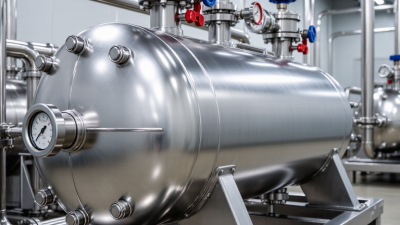
NIST Chemistry WebBook lists argon’s normal boiling point as about 87.3 K, or −185.8°C. Its inner vessel is usually stainless steel. The outer jacket protects it from impact. A narrow neck limits heat entering through the opening.
Valves control filling, withdrawal, and pressure relief. The level gauge shows remaining liquid, although readings can become less reliable near empty.
Insulation is the tank’s critical structure. A high vacuum fills the space between the inner vessel and outer jacket, reducing heat transfer through air. Reflective multilayer insulation further limits radiation. Supports and the neck must remain strong, yet they can create small heat bridges.
That detail is easy to underestimate. ISO 21009-1 addresses the design and testing of vacuum-insulated cryogenic vessels, while CGA P-12 emphasizes controlled pressure relief and ventilation practices. Actual boil-off depends on tank size, vacuum quality, ambient temperature, and usage frequency. Published specifications should be checked rather than assumed.
Tips: Keep the tank upright and inspect frost patterns before use. Unusual frost on the outer jacket may indicate vacuum loss. Do not block the relief device. NIST data helps confirm argon’s physical behavior, but site procedures still need practical verification. A neglected gasket can change performance quickly. Documenting pressure, liquid level, and daily losses creates useful evidence for maintenance decisions.
How Argon Is Stored and Maintained at Low Temperatures
An argon dewar tank is a vacuum-insulated vessel designed to hold argon as a cryogenic liquid. Argon boils at about -186°C (-303°F) under normal atmospheric pressure. It is extremely cold. The tank uses two metal walls with a vacuum between them, reducing heat transfer from the room. Reflective insulation can further limit radiant heat. This design slows evaporation, although it cannot stop it completely. Even a well-maintained dewar gradually produces gas as absorbed heat reaches the liquid.
Inside the vessel, liquid argon rests in the inner container while vapor occupies the space above it. As warming creates more vapor, internal pressure rises. A pressure-control system manages vapor within safe limits, depending on the equipment design. Relief devices are essential because blocked vents can create dangerous pressure. Operators check pressure gauges, liquid-level indicators, valves, and transfer lines before use. Small leaks matter. Frost around a fitting may signal escaping cryogen or unwanted heat entry.
Maintaining low temperature depends on protecting the vacuum, limiting unnecessary opening, and using compatible, clean connections. During transfer, trained personnel use face protection, insulated gloves, protective clothing, and good ventilation. Argon is chemically inert, but it can displace oxygen in enclosed areas. Oxygen monitoring is important in storage rooms. From practical inspections, simple checks are often missed: a loose cap, an aging seal, or an unclear gauge label. I would not treat a quiet tank as a healthy tank; stable readings and scheduled inspections provide stronger evidence.
The Process of Argon Withdrawal and Pressure Control
What Is an Argon Dewar Tank and How Does It Work?
The Process of Argon Withdrawal and Pressure Control
An argon Dewar tank stores liquid argon inside a vacuum-insulated vessel. The insulation slows heat entering the tank, but it cannot stop warming completely. As liquid argon absorbs heat, a small amount evaporates and creates vapor pressure above the liquid.
Withdrawal usually begins when an outlet valve opens. For liquid delivery, internal pressure pushes argon through a dip tube. For gas delivery, liquid argon passes through a vaporizer and changes into gas. Pressure may be increased through a pressure-building circuit, which warms a controlled amount of liquid. A regulator then limits the outlet pressure for the connected equipment. Relief devices protect the vessel if pressure rises beyond its safe range.
Real systems are less tidy than diagrams. Frost, a drifting gauge, or a slow pressure response can indicate changing conditions. Operators should check the pressure gauge, valves, hoses, and connections before use. Never block a relief device. Keep the tank upright and use suitable protective gloves and face protection. Argon is colorless and can displace breathable air in poorly ventilated spaces.
Tips: Open valves gradually and watch the gauge. Avoid rapid withdrawal, which can cause heavy frosting and unstable pressure. Record pressure changes during operation. That simple habit often reveals problems early. Follow the tank’s instructions and site procedures, because pressure settings and fittings can differ.