How to Choose a Metal Polishing Machine in 2026?
Choosing a Metal Polishing Machine in 2026 requires more than comparing motor power or advertised speed. The correct choice depends on material, surface condition, production volume, and finishing targets. Stainless steel, aluminum, brass, and hardened steel respond differently under pressure. A machine that performs beautifully on one alloy may create burns, ripples, or uneven edges on another.
Metal-finishing engineer Dr. David A. Peterson offers a practical reminder: “A polished surface begins with a controlled process, not a faster wheel.” That principle remains highly relevant. Operators should examine spindle stability, abrasive compatibility, dust management, variable-speed control, and access to replacement parts. A compact bench machine may suit prototypes and repair work. A multi-station system may be better for repeated cabinet panels or automotive components. Faster is not always better.
This guide examines the decisions behind a reliable purchase. It considers machine type, abrasive systems, automation, energy use, operator safety, and long-term maintenance. Real workshop details matter. Watch how the machine handles a sharp corner. Listen for vibration during a longer pass. Check whether the workpiece overheats after several minutes. Small signs often reveal large ownership costs. Even experienced buyers can misjudge production growth or underestimate cleaning requirements. That deserves reflection. A polished sample from a showroom cannot represent every alloy, thickness, or finish. Test representative parts before committing. The best Metal Polishing Machine is not simply powerful. It is controllable, serviceable, and appropriate for the work your facility will actually perform.
What Is a Metal Polishing Machine and What Does It Do?
How to Choose a Metal Polishing Machine in 2026?
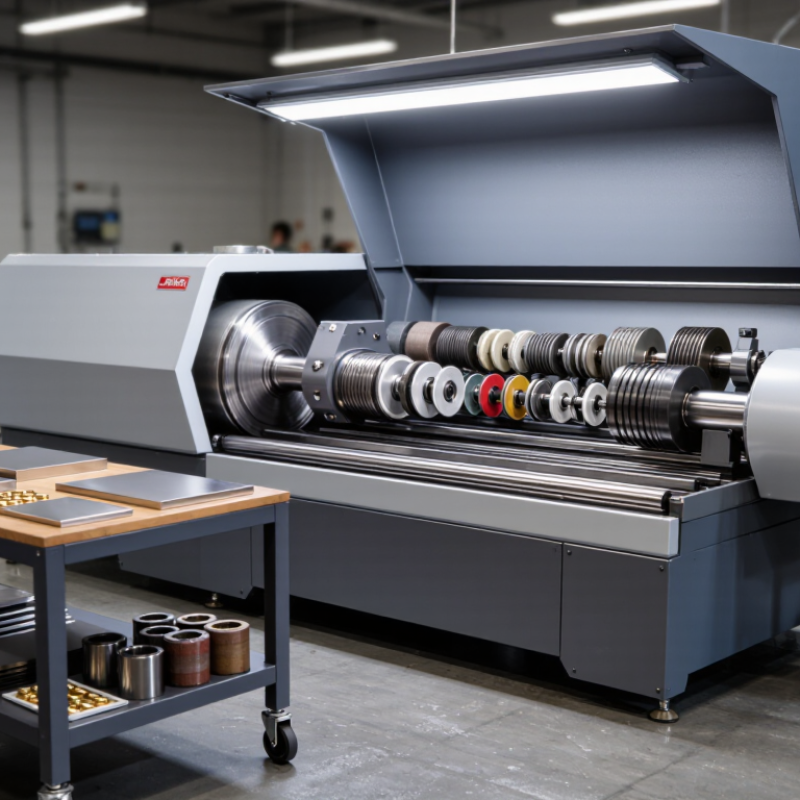
A metal polishing machine is workshop equipment that smooths and brightens metal surfaces. It uses abrasive belts, wheels, discs, or buffing pads. The selected abrasive gradually removes scratches, oxidation, weld marks, and uneven texture. A later polishing stage can produce a satin, brushed, or mirror-like finish. It does not magically repair deep dents. That assumption causes expensive rework.
The machine’s motor drives the polishing tool at a controlled speed. Operators guide the workpiece against it, while pressure and movement shape the result. Stainless steel, aluminum, brass, and steel may need different abrasives and speeds. Heat matters too. Excessive pressure can discolor metal, round sharp edges, or leave uneven reflections. In practical workshop testing, consistent pressure often matters more than maximum motor power. Still, this point deserves regular review because each alloy reacts differently.
Tips: Match the machine to your material, part size, finish, and daily workload. Check speed control, dust extraction, guarding, emergency stops, and replacement parts before purchase. Test a sample piece first. Small tests reveal large mistakes. Keep the workpiece moving, inspect it under strong angled light, and change abrasive grades gradually. A machine that looks powerful may be poorly suited to narrow tubes or complex corners. Choose control and repeatability, not impressive specifications alone.
Compare Polishing Machine Types and Their Working Methods
How to Choose a Metal Polishing Machine in 2026?
Metal polishing machines use different working methods, so the finish depends on more than motor power. Rotary machines use an abrasive wheel or mop that spins against the metal surface. They remove scratches quickly and suit flat panels, edges, and welded joints. Belt polishers use a moving abrasive belt. They provide steady contact and are useful for tubes, rails, and long straight parts. However, excessive pressure can create heat marks or uneven lines.
Vibratory finishing machines work differently. They place metal parts, media, water, and compound inside a vibrating bowl or tub. The media reaches small edges and recessed areas with less manual effort. This method is practical for batches of small components, but it may round sharp corners. Rotary tumblers use slower rolling action and usually need more processing time. They can produce consistent results, although delicate parts may collide inside the chamber.
Automated polishing cells combine controlled movement, pressure, and speed. Sensors can help maintain contact on repeated parts, while dust extraction protects the operator and nearby equipment. Check the machine’s speed range, abrasive compatibility, noise level, and replacement costs. Match the method to the part’s shape, material, and required surface roughness. A mirror finish needs different control than simple deburring. This choice is easy to get wrong. The fastest machine is not always the best one. In practice, sample testing reveals problems that specifications may hide, especially heat buildup, media marks, and difficult-to-reach surfaces.
Evaluate Specifications, Automation, Safety, and Maintenance
How to Choose a Metal Polishing Machine in 2026?
Evaluate Specifications, Automation, Safety, and Maintenance
Choosing a metal polishing machine requires more than comparing motor power. In real workshop use, the wrong specification can create uneven finishes, overheating, and wasted abrasives. Check motor power, spindle speed, wheel diameter, and working width against your materials and daily workload. Variable speed control is valuable when polishing aluminum, stainless steel, or harder alloys. A machine built for small parts may struggle with long production runs. I have seen buyers focus on maximum speed and overlook vibration. That mistake becomes expensive.
Automation should improve consistency, not remove human judgment. Look for adjustable feed rates, programmable polishing cycles, sensor feedback, and clear control panels. Simple automation may be more reliable than complicated software. Safety features deserve equal attention. Confirm that guards, emergency stops, overload protection, dust extraction, and stable supports are included. Operators need enough space to inspect the workpiece without reaching near moving components. Safety training still matters. No machine can replace it.
Tips: Ask for a live demonstration using a similar metal and abrasive. Listen for unusual noise, then check surface uniformity. Inspect access to bearings, belts, filters, and electrical panels before purchasing. Maintenance instructions should be clear and practical. Keep a record of vibration, abrasive wear, and unexpected downtime. It may seem excessive, but these notes reveal problems early. Also, leave room for improvement. Your first operating assumptions may be wrong.
Calculate Total Cost and Select the Right Machine for 2026
How to Choose a Metal Polishing Machine in 2026?
Choosing a polishing machine requires more than comparing purchase prices. Calculate the total cost across five years. Include the machine, abrasive media, electricity, maintenance, training, installation, and downtime. A machine costing $18,000 may become expensive if it consumes media quickly. Record your current production data before deciding. Measure daily parts, polishing time, labor hours, and rejected pieces. Small errors matter.
Match the machine to your metal, part shape, surface finish, and monthly volume. Rotary systems may suit small components and consistent batch work. Belt or wheel machines can handle larger surfaces but often need more operator control. Automatic equipment may reduce labor costs, yet programming and setup can require specialist support. Ask for a realistic sample test using your own parts. Supplier claims are useful, but shop-floor evidence is stronger. My estimates are rarely perfect.
Tips: Build a simple spreadsheet for 2026 costs. Use this formula: total cost equals purchase price plus operating costs minus expected savings. Add a 10% maintenance reserve. Check abrasive life with a timed production trial. Leave space around the machine for loading, ventilation, and repairs. Do not choose maximum capacity automatically. It may waste energy and floor space. Recheck the calculation after three months of real operation.
How to Choose a Metal Polishing Machine in 2026? - Calculate Total Cost and Select the Right Machine for 2026
Comparative planning table for common metal-polishing technologies. Costs are indicative 2026 budget estimates in USD and should be confirmed with project-specific quotations.
Calculation basis: - Five-year total cost = purchase cost + installation cost + five years of energy, direct labor, consumables and routine maintenance.
- Energy estimates use 2,000 operating hours per year and an electricity rate of $0.12 per kWh.
- Direct labor estimates use an average loaded labor rate of $25 per hour and include typical loading, unloading, inspection and media-handling time.
- Consumables include abrasive media, polishing compounds, belts, filters and process chemicals. Actual cost varies with metal type, surface-finish specification and part geometry.
- Estimates exclude building modifications, compressed-air systems, wastewater treatment, taxes, financing, tooling for unusual parts and production downtime.
- Before purchasing, compare sample-part results, cycle time, finish uniformity, noise level, dust or wastewater controls, operator safety and available service support.
